Discover how a landmark court decision redefines Section 230, impacting tech companies’ liability in illegal social casino activities. A game-changer for online platforms!

Court Ruling Challenges Section 230 Protections for Tech Companies in Social Casino Cases

Welcome Offer:
300% up to $3,000
+ Bonus on your first crypto deposit
Min deposit: $20. Wagering: 45x on bonus. Applies to BTC, LTC, ETH. No max win cap if wagering is completed. Spins not included.

Welcome Offer:
200% up to $2,000
+ 100 Free Spins
The bonus is available with a minimum deposit of $45. Free spins apply to selected slots and winnings are subject to 35x wagering.

Welcome Offer:
100% up to $1,000
+ Free Spins on selected slots
Minimum deposit: $25. Wagering 30x. Free spins winnings subject to same rollover. Max bonus applies to casino section only.

Welcome Offer:
7,500 GC + 2.5 SC
+ First Purchase: 50,000 GC + 25 SC for $9.99
Sweepstakes Coins carry a 1x playthrough before redemption. 21+. Available in most US states.

Welcome Offer:
15,000 GC + 2.5 SC
+ First Purchase: 50,000 GC + 25 SC for $9.99
Sweepstakes Coins carry just a 1x playthrough before redemption. 21+. Available in 34 US states.

Welcome Offer:
500% up to $5,000
+ 100 Free Spins
This welcome bonus combines a deposit match with free spins, giving new players the perfect way to kick off their Lucky Bonanza adventure.

Welcome Offer:
350% up to $2,500
+ Crypto-exclusive offer
Minimum deposit: $20. Wagering: 40x on bonus amount. Valid for Bitcoin, Litecoin, Ethereum. Bonus expires 7 days after claiming. Max cashout: 10x.

Welcome Offer:
250% up to $2,500 + 150 FS
Or 500% up to $2,500 with crypto
Min deposit: $25. Wagering: 40–50x. Free spins valid on featured slots. Max cashout on free spins: $150. KYC may apply over certain thresholds.

Welcome Offer:
200% up to $2,000
+ 100 Free Spins
This welcome package boosts your first deposit and adds free spins, giving players a powerful way to jumpstart their VoltageBet journey.

Welcome Offer:
Up to $7,500 in crypto
+ Bonus for Bitcoin & Litecoin deposits
Minimum deposit: $20. Wagering varies from 35x–40x depending on tier. Applies automatically. Bonus spread across up to 9 deposits. No max cashout if rollover is completed.
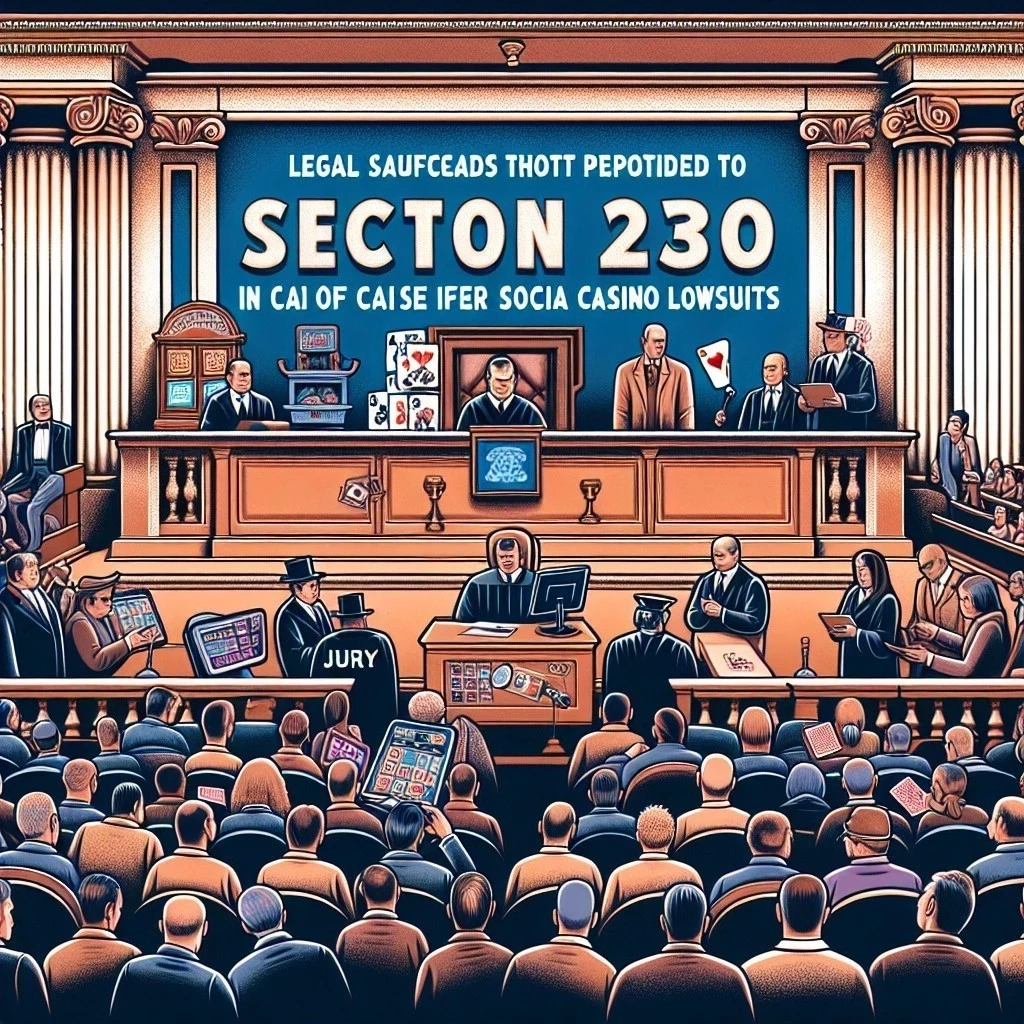
In a groundbreaking court decision, a judge has ruled that Section 230 does not provide legal protection to tech companies against claims related to illegal social casino activities. This ruling marks a significant shift in how legal frameworks address the liability of digital platforms in the context of online gambling.
Understanding Section 230
Originally part of the Communications Decency Act of 1996, Section 230 has long been a cornerstone of internet law, granting immunity to digital platforms for user-generated content. This legal precedent has allowed tech companies to avoid being held accountable for the actions of their users, fostering an environment where the internet could thrive without excessive regulation.
The Rise of Social Casinos
In recent years, social casinos — virtual games that mimic gambling activities — have surged in popularity. These platforms often allow users to spend real money for in-game currency, raising questions about their legality, especially in jurisdictions where gambling is heavily regulated. Critics argue that such activities should fall under the purview of gambling laws, which has led to increased scrutiny of tech companies hosting these games.
The Judge’s Ruling
The recent judge’s ruling addresses the growing concern about platform responsibility in the context of illegal claims tied to social casinos. The court concluded that Section 230 does not protect tech companies from liability when their platforms are actively involved in promoting or profiting from potentially illegal gambling activities. This decision challenges the traditional interpretation of immunity under Section 230, emphasizing that user conduct related to gambling requires additional scrutiny.
Implications for Tech Companies
This ruling sets a new legal precedent that could have far-reaching implications for tech companies. As they grapple with the regulation of virtual games and similar activities, companies may need to reassess their policies and practices to ensure compliance with gambling laws. This shift towards increased accountability could prompt a reevaluation of how digital platforms operate, particularly in relation to monetizing user interactions.
Future of Internet Regulation
The decision signifies a potential evolution in internet law, where traditional protections may no longer suffice in the face of emerging digital phenomena. As the legal landscape continues to adapt to new challenges, tech companies might face increased pressure to take a more active role in policing user conduct and ensuring that their platforms do not contribute to illegal activities;
Overall, this judge’s ruling represents a pivotal moment in the ongoing debate over platform responsibility and the extent of legal protection granted to tech companies under Section 230. It highlights the need for a more nuanced approach to regulating the digital economy, balancing innovation with the imperative to prevent illegal activities.



New Casinos

Claim 15,000 Gold Coins + 2.5 Sweepstakes Coins free at signup — no purchase, no code needed — and dive into 1,000+ games.

Claim 7,500 Gold Coins + 2.5 Sweepstakes Coins free at signup — no purchase needed — and start playing 1,000+ games.

Claim 200% up to $2,000 and 100 Free Spins to get started with extra value.

Get a 300% crypto bonus up to $3,000 using code CRYPTO300. Fast payouts. No KYC under limits.

Get a 100% casino bonus up to $1,000 on your first deposit. Use promo code BOLCASINO.

Claim 500% up to $5,000 plus 100 Free Spins for a wild start.
HOT Gambling News